
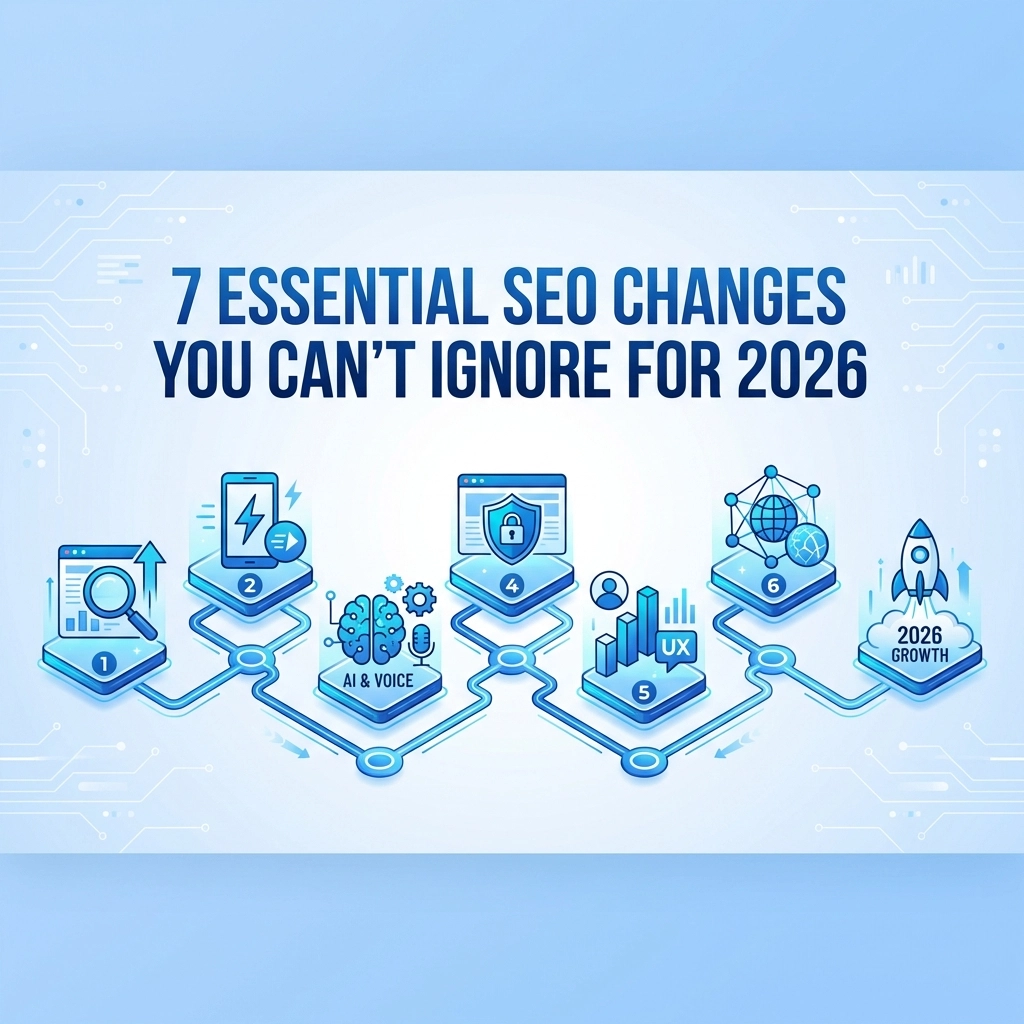

Search engine optimization isn't what it used to be. The strategies that worked last year are already becoming obsolete, and businesses that don't adapt will find themselves invisible in search results.
AI has fundamentally changed how people find information online. Traditional SEO tactics like keyword stuffing and link farming are not just ineffective: they're counterproductive. The search landscape of 2026 demands a completely different approach.
Here are seven critical changes you need to implement right now to stay competitive.
1. Optimize for AI Search, Not Just Google
AI-powered search engines are becoming the primary way people find information. ChatGPT, Perplexity, and Google's AI Overviews are pulling content from across the web to answer questions directly.
This means fewer people click through to websites. Instead of fighting this trend, work with it. Focus on getting your content cited and referenced by AI systems.
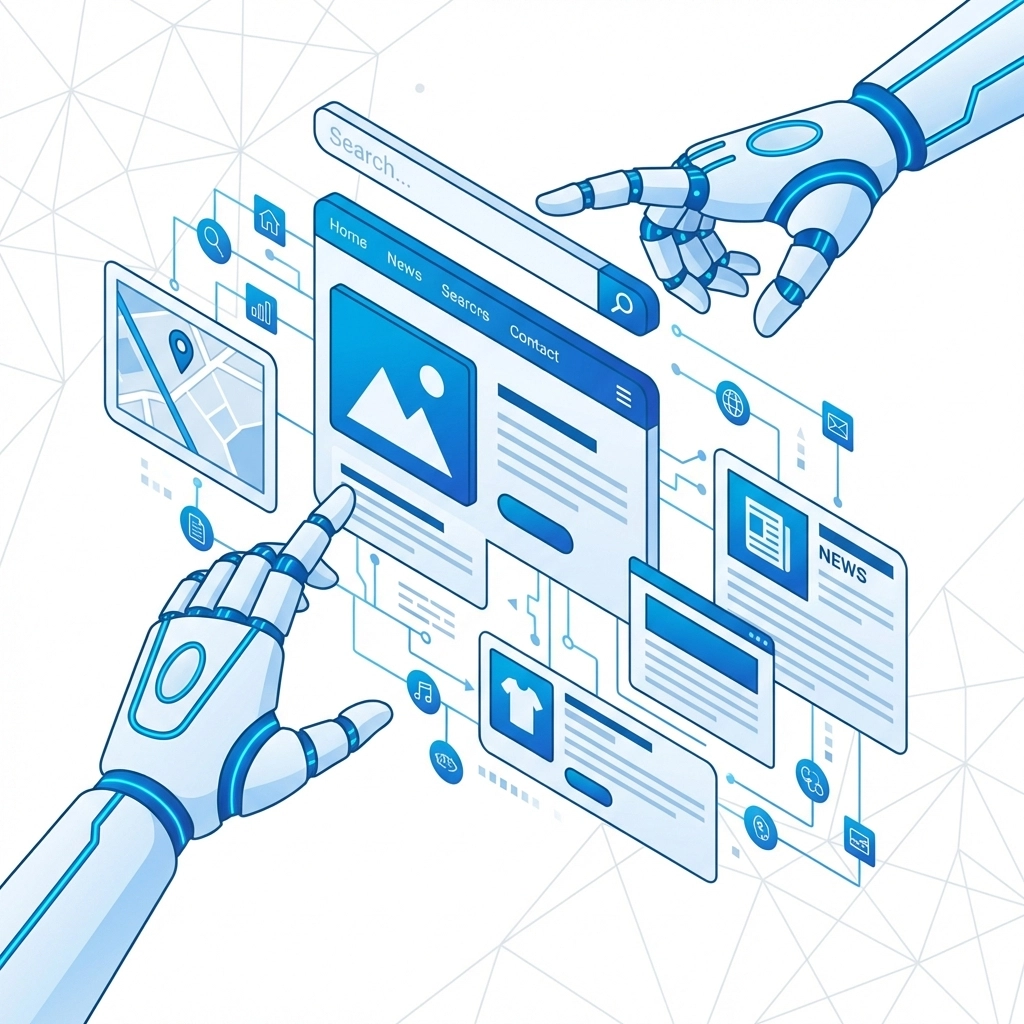
Make your content AI-friendly by:
- Writing clear, factual answers to specific questions
- Using structured data markup so AI can understand your content
- Creating comprehensive resource pages that AI systems can reference
- Formatting information in lists, tables, and clear sections
The goal isn't just traffic anymore: it's becoming the authoritative source that AI systems turn to when answering questions in your industry.
2. Build Brand Authority Over Everything Else
Google now prioritizes websites that people actively search for by name. Brand signals have become more important than traditional ranking factors like backlinks or keyword density.
Think about it: when someone specifically searches for your company name, that tells search engines you're trusted and relevant. This brand signal carries enormous weight in rankings.
Focus on building recognition through:
- Guest appearances on industry podcasts
- Speaking at conferences and events
- Earning mentions in industry publications
- Getting featured in case studies and success stories
- Encouraging customers to leave detailed reviews that mention your brand
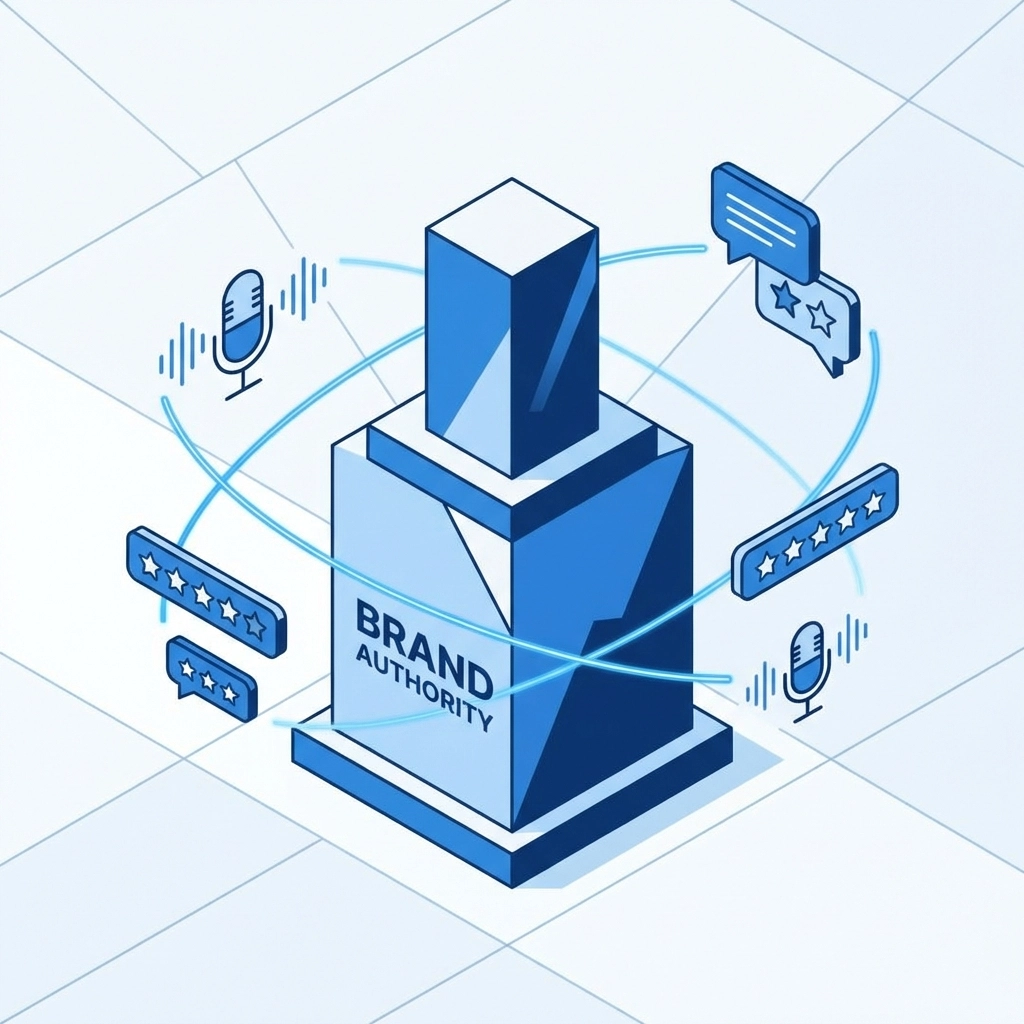
Stop chasing generic keywords and start building a reputation. When people know your name and seek you out specifically, search engines take notice.
3. Target People, Not Just Search Intent
Traditional SEO focused on four types of search intent: informational, commercial, transactional, and navigational. This framework is too simplistic for 2026.
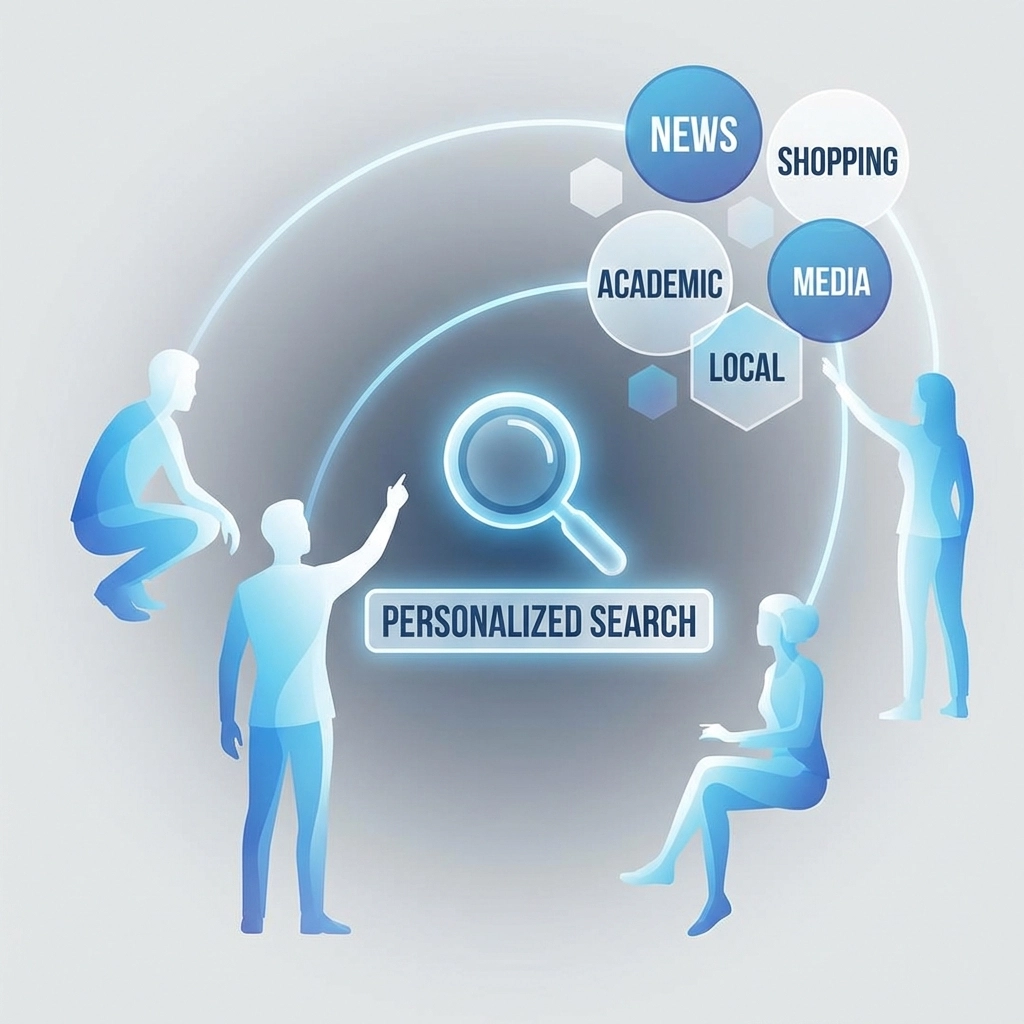
AI personalizes search results based on who's searching: their background, previous behavior, and how they phrase questions. Two people can search for the same thing but need completely different answers.
Instead of optimizing for generic intent, create content for specific audience personas:
- What's their experience level with your industry?
- What challenges are they facing right now?
- How do they prefer to consume information?
- What objections might they have to your solution?
Create different content paths for different types of users, even when they're searching for similar topics. A beginner and an expert looking for "marketing automation" need completely different information.
4. Make Your Site Technically AI-Ready
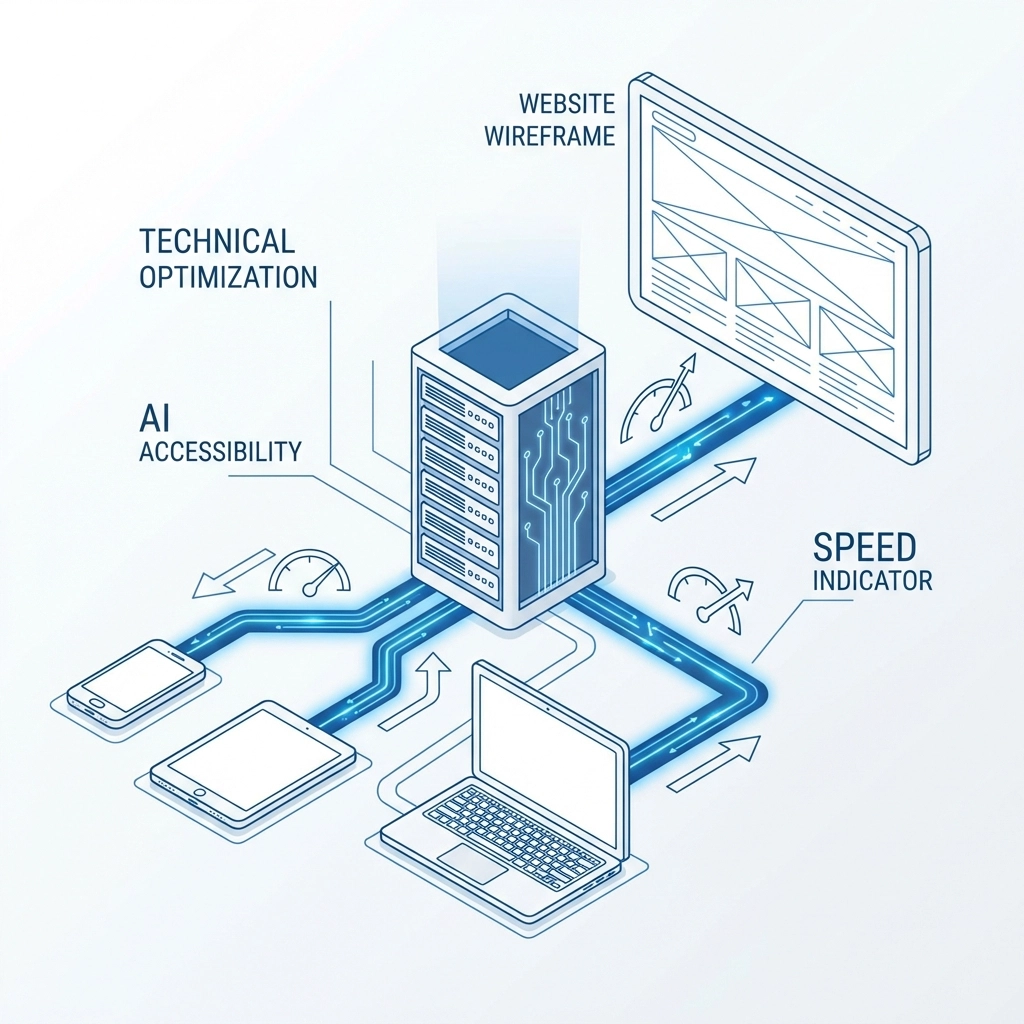
AI systems need to access and understand your content quickly. If your site is slow, hard to crawl, or poorly structured, you'll be ignored by both AI and traditional search engines.
Essential technical requirements include:
- Fast loading speeds (under 3 seconds)
- Mobile-responsive design that works on all devices
- Clear site structure with logical navigation
- Structured data markup for key information
- Updated XML sitemaps
Consider implementing newer standards like llms.txt files that help AI crawlers understand your site structure and find important content efficiently.
Your web design and development needs to support both human users and AI systems. This isn't optional: it's fundamental to visibility in 2026.
5. Diversify Beyond Text-Only Content
AI systems pull information from multiple content formats. YouTube citations in AI responses increased by 121% because video content often provides better, more comprehensive answers than text alone.
Text-only pages are becoming less competitive. You need:
- Video explanations of complex topics
- Interactive tools like calculators or assessments
- Infographics that simplify data
- Audio content for different consumption preferences
- Templates and checklists people can actually use
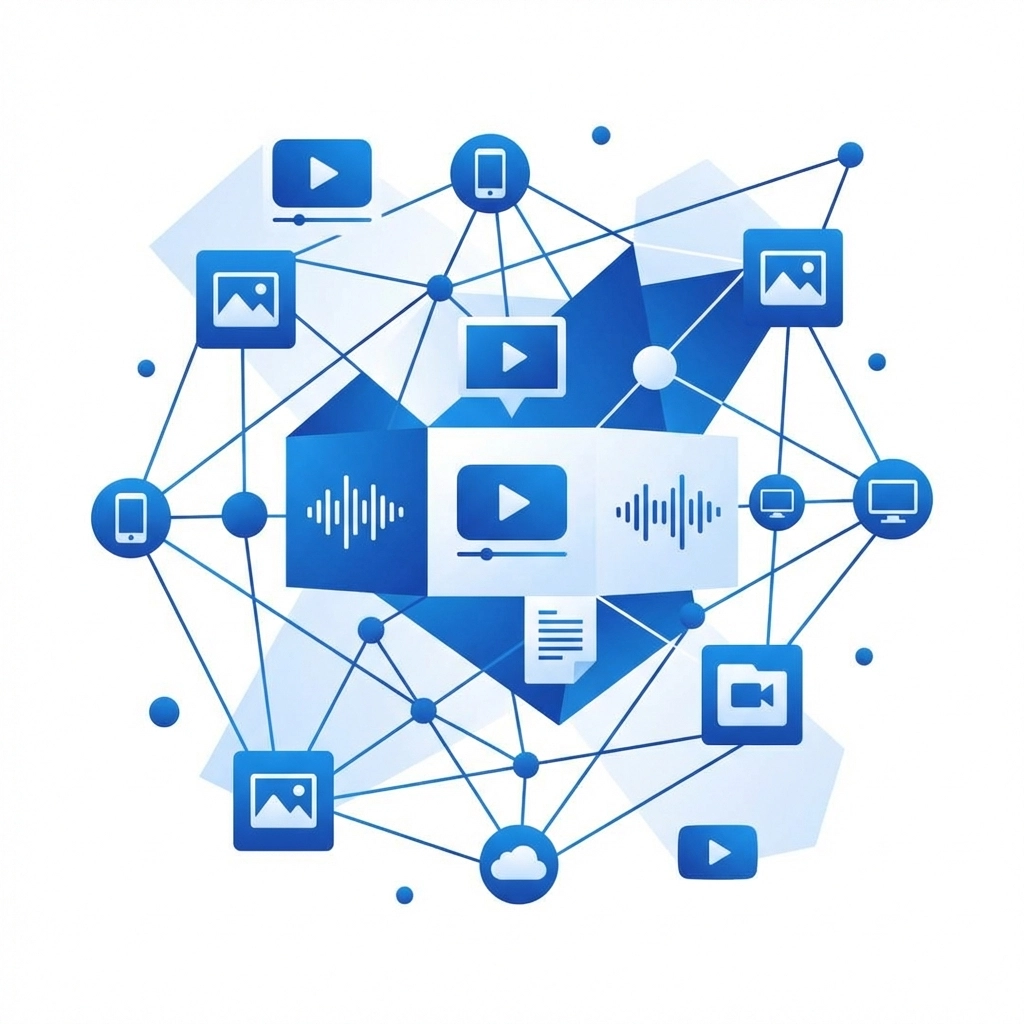
Repurpose your best content across multiple formats. A comprehensive guide can become a video series, an infographic, a podcast episode, and an interactive checklist. Each format helps you reach different audiences and increases your chances of being cited by AI systems.
6. Create Content Clusters for Micro-Intents
Search queries are becoming more specific and context-driven. People don't just search for "marketing": they search for "email marketing for B2B SaaS companies with remote teams under 50 people."
Content clustering helps you address these micro-intents systematically:
- Start with a comprehensive main topic page
- Create supporting pages for specific subtopics
- Link related content together logically
- Address different angles and contexts for each topic
This approach helps you capture traffic for multiple related searches while building topical authority in your industry.
7. Build Cross-Platform Content Networks
Ranking on Google alone isn't enough. AI systems pull information from across the web: YouTube, Reddit, industry forums, social networks, and specialized platforms.
Create interconnected content that appears wherever your audience spends time:
- Share insights on industry forums and communities
- Create valuable content for professional networks
- Participate in relevant discussions on social platforms
- Guest post on respected industry websites
- Build relationships with other content creators in your space
The goal is omnipresence: being found regardless of where people are looking for information in your industry.
Making These Changes Work for Your Business
These changes might seem overwhelming, but you don't need to implement everything at once. Start with the areas that will have the biggest impact on your specific business.
If you're struggling with technical issues, focus on site speed and mobile optimization first. If your brand isn't well-known, prioritize building authority and recognition. If you're only creating blog posts, experiment with video or interactive content.
The key is consistent, strategic effort over time. SEO has always been a long-term game, and these new requirements don't change that reality.
For businesses that need help implementing these changes, working with experienced professionals can accelerate results significantly. The digital marketing landscape is complex, but the businesses that adapt quickly will have a significant advantage over competitors who stick with outdated approaches.
The search engines of 2026 reward businesses that provide genuine value to real people. Focus on being helpful, authoritative, and accessible across multiple formats and platforms. The technical details matter, but they support the fundamental goal of serving your audience better than anyone else in your industry.
Start with one change this week. Then add another next month. By the end of 2026, these adjustments will compound into a significant competitive advantage that's difficult for others to replicate.