
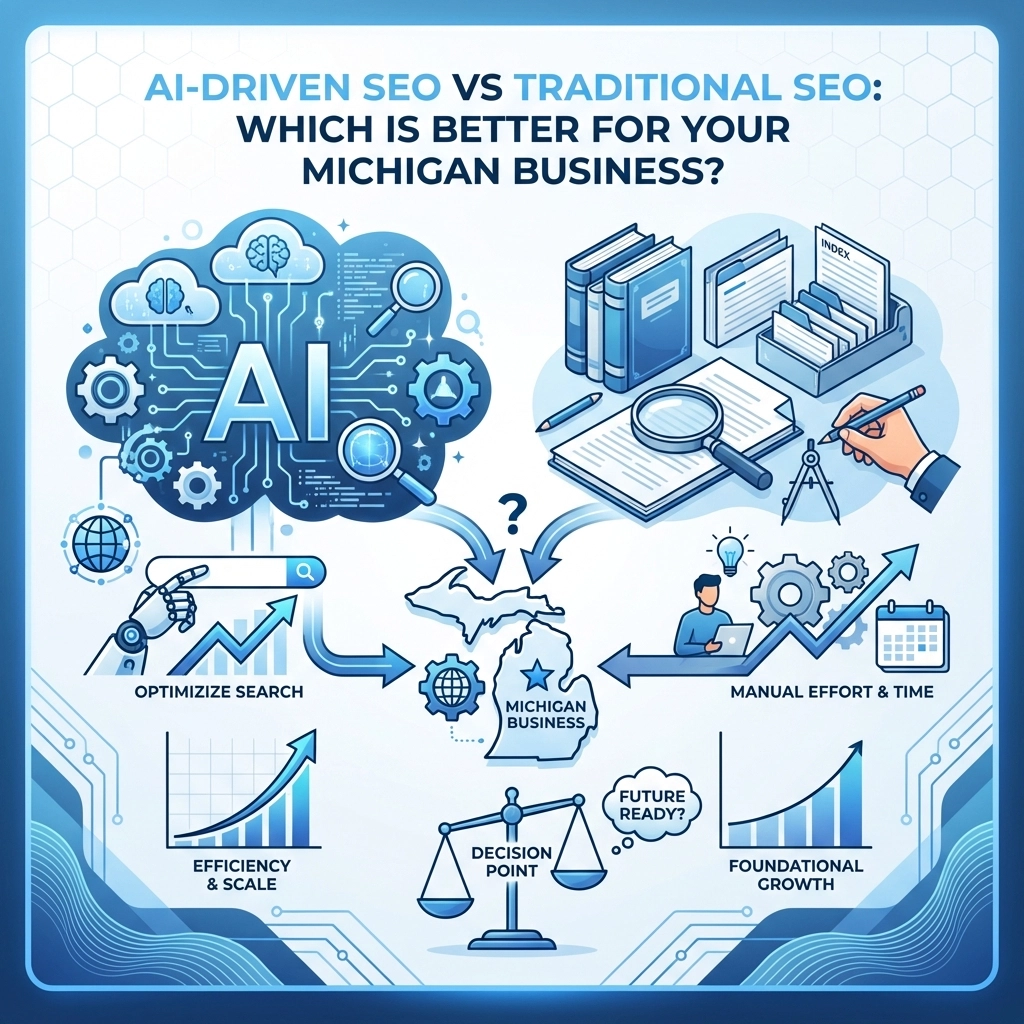

The SEO landscape has changed dramatically over the past few years. AI tools are everywhere now and they promise to revolutionize how businesses approach search engine optimization. But does that mean traditional SEO methods are dead? Not exactly
If you're running a business and trying to figure out where to invest your marketing budget, this is a question worth exploring. Let's break down both approaches and help you figure out what actually works
What Is Traditional SEO?
Traditional SEO is the approach that's been around for over two decades. It relies on human expertise, manual research, and proven optimization techniques
The core elements include:
- Keyword research done manually through tools and competitor analysis
- Content creation written by humans with specific audience intent in mind
- Link building through relationship development and outreach
- Technical optimization handled through manual audits and fixes
- Local optimization targeting your service areas
Traditional SEO takes time. A lot of it. Building authority, earning backlinks, and creating quality content doesn't happen overnight. Most businesses see meaningful results after 6-12 months of consistent effort
The upside? When done right, traditional SEO builds genuine brand authority. Your content resonates emotionally with readers. Your backlink profile looks natural. Search engines trust your site because it was built with real human intent
What Is AI-Driven SEO?
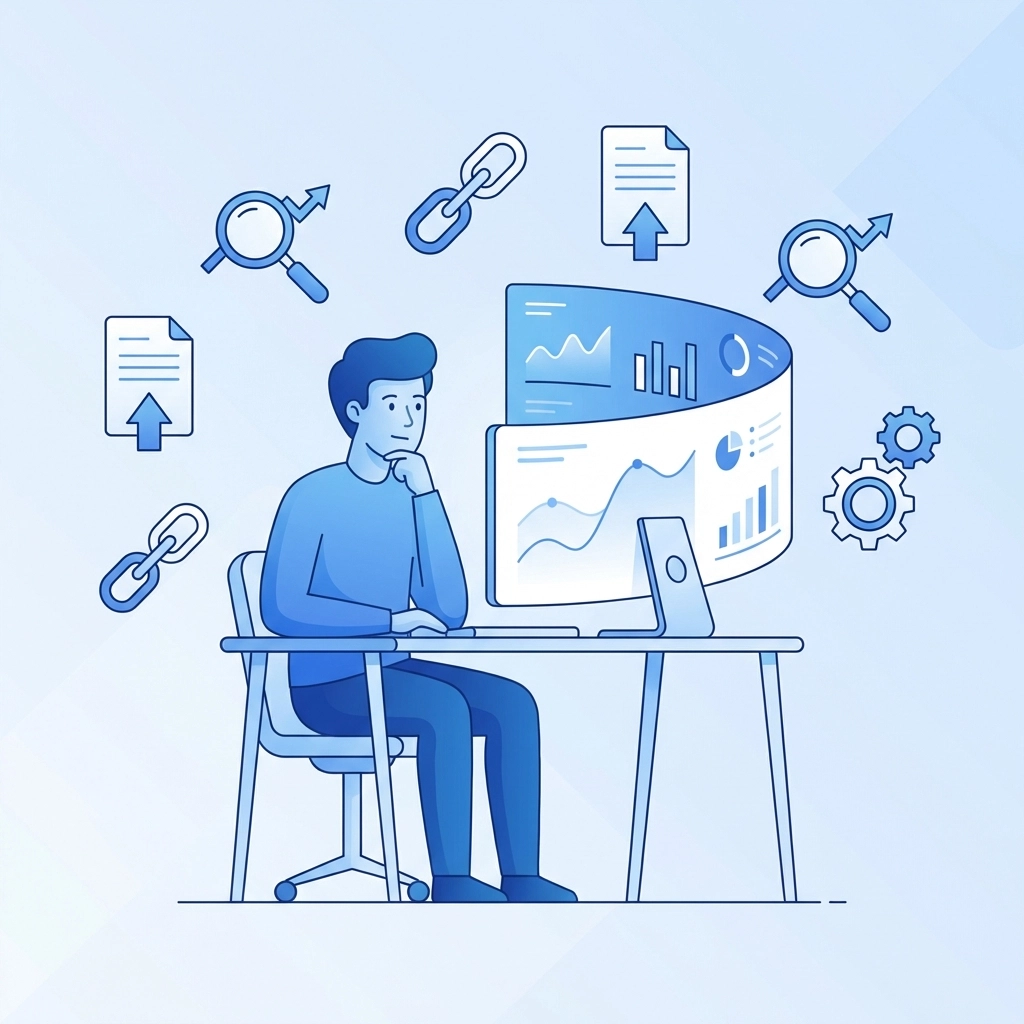
AI-driven SEO uses artificial intelligence and machine learning to automate and accelerate optimization tasks. Think of it as putting your SEO efforts on fast-forward
Here's what AI can handle:
- Content analysis across hundreds of pages in minutes instead of weeks
- Keyword pattern identification that spots opportunities humans might miss
- Technical audits completed in hours rather than days
- Predictive trend analysis to catch emerging search topics early
- Voice search optimization for AI-powered assistants
The speed advantage is real. Tasks that traditionally take weeks: like auditing 500+ pages or analyzing keyword patterns across your entire site: AI accomplishes in hours
AI SEO tools have gotten remarkably sophisticated. They can generate content outlines, suggest optimization improvements, and even predict which topics will trend before they peak
But there's a catch
The Limitations of Each Approach
Neither method is perfect on its own
Traditional SEO Drawbacks
- Time-intensive - everything takes longer
- Higher labor costs - requires experienced professionals
- Slower to adapt - can miss emerging trends
- Scalability challenges - hard to optimize large sites quickly
AI-Driven SEO Drawbacks
- Quality gaps - AI content often lacks emotional depth
- Generic output - can sound robotic or templated
- Context limitations - AI doesn't understand your business nuances
- Over-optimization risk - can trigger search engine penalties
Here's a real-world example that illustrates this perfectly. One case study showed an AI-only approach increased organic traffic by 180% but only improved conversions by 12%. Meanwhile, a traditional SEO strategy achieved a 43% conversion rate improvement through strategic relationship building and authentic content
Traffic means nothing if visitors don't convert. That's the quality gap you need to understand

The Hybrid Approach: Why It Wins
The best strategy for most businesses combines both AI-driven and traditional SEO methods. This hybrid approach delivers faster results while maintaining the authentic brand authority that drives long-term success
Think of it this way:
- AI handles the heavy lifting - data analysis, technical audits, pattern recognition
- Humans handle the creativity - content that connects, relationships that matter, strategy that fits your brand
One dental practice switched from a traditional SEO-only approach costing $4,000 per month to a hybrid model at $2,500 per month. They reduced costs by 40% while actually improving results. That's the power of working smarter
Practical Implementation Guide
Ready to implement a hybrid strategy? Here's how to divide the work
Use AI SEO For:
Technical optimization at scale Let AI crawl your site, identify broken links, flag slow pages, and spot duplicate content. What takes a human analyst days takes AI minutes. Run these audits monthly
Content pattern analysis AI excels at identifying what's working across your site. Which blog posts drive traffic? What topics resonate? Where are the gaps? Use these insights to inform your content calendar
Keyword research and clustering AI can process massive amounts of search data and group keywords by intent. This saves hours of manual research and often surfaces opportunities you'd never find on your own
Competitive analysis Monitor what competitors are doing at scale. Track their content, backlinks, and ranking changes automatically. Then use human judgment to decide how to respond

Use Traditional SEO For:
Content creation that connects AI can outline your content but humans should write it. Your audience can tell the difference between authentic expertise and generated filler. Invest in writers who understand your industry and can speak directly to your customers
Relationship-based link building The best backlinks come from real relationships. Partner with industry publications, collaborate with complementary businesses, earn mentions through genuine community involvement. AI can't do this for you
Brand voice and messaging Your brand has a personality. It has values. It has a story. Protect these elements by keeping human hands on your core messaging and brand content
Strategic direction AI provides data. Humans provide wisdom. Use the insights AI generates but filter them through business context, customer knowledge, and long-term goals
Need help developing a marketing strategy that balances these approaches? That's exactly what we do
Getting Started With Hybrid SEO
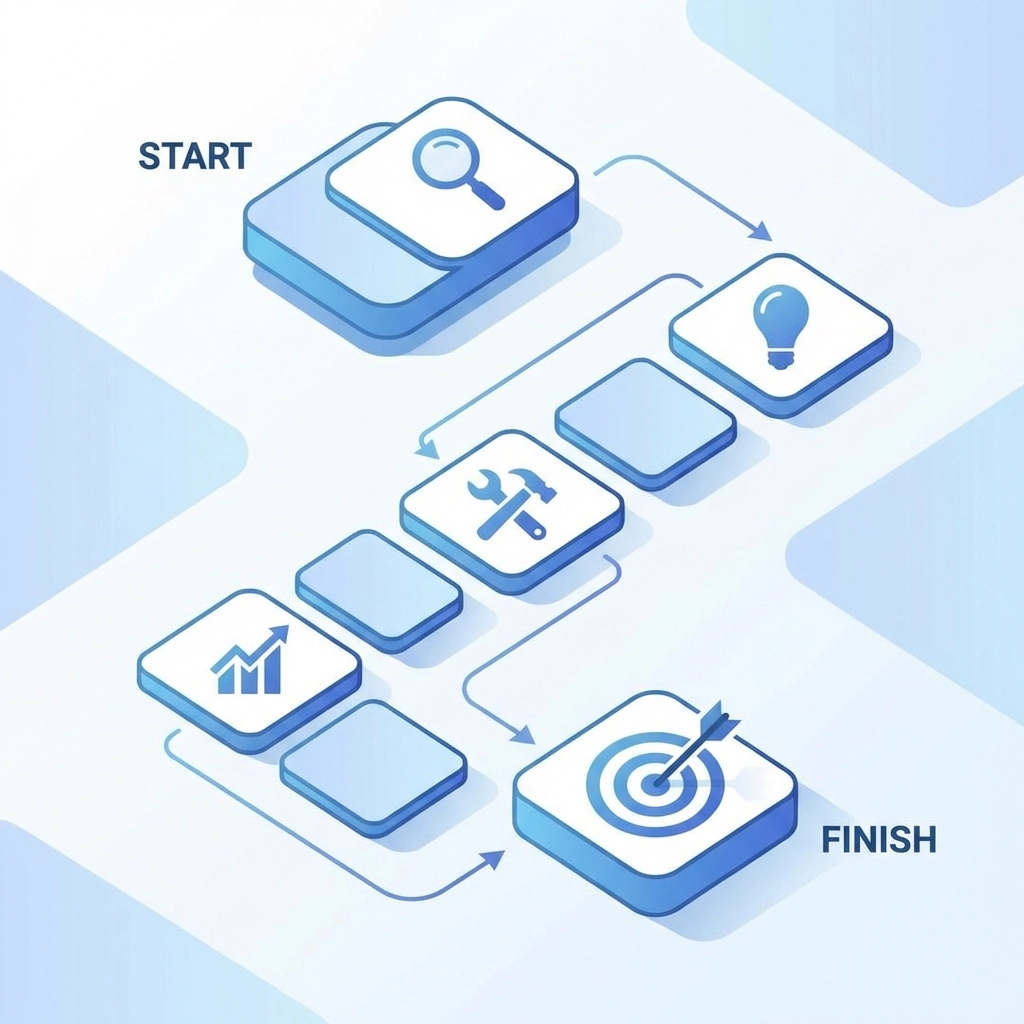
You don't need to overhaul everything at once. Start with these steps:
1. Audit your current situation What's working? What's not? Where are you spending the most time on repetitive tasks? These are your AI opportunities
2. Identify your human-touch priorities What content and activities require authentic brand voice? Protect these from over-automation
3. Choose your tools wisely Not all AI SEO tools are created equal. Test before you commit. Look for tools that complement human work rather than trying to replace it entirely
4. Measure what matters Track conversions, not just traffic. Monitor engagement, not just rankings. The goal is business results, not vanity metrics
5. Iterate and adjust The balance between AI and human effort will shift as tools improve and your needs evolve. Review quarterly and adjust
The Bottom Line
AI-driven SEO and traditional SEO aren't competing approaches: they're complementary ones. The businesses seeing the best results right now are using AI to work faster while keeping humans involved to work smarter
Speed without quality gets you traffic that doesn't convert. Quality without speed gets you results too slowly to matter. The hybrid approach gives you both
If you're ready to build an SEO strategy that actually drives business results, let's talk. We help businesses develop digital strategies that combine the best of both worlds: AI efficiency with human creativity
Your competition is already figuring this out. Time to catch up