

Let's cut to the chase. You've spent time and money building a website, but it's buried on page three of Google. Your competitors are getting the clicks, and you're wondering what magic spell they're using to rank higher.
Here's the truth: SEO doesn't have to be complicated or expensive. There's one ridiculously simple trick that most businesses overlook, and you can implement it today without touching your budget or hiring an agency.
Ready? It's internal linking.
What Is Internal Linking and Why Does It Matter?
Internal linking is exactly what it sounds like: linking from one page on your website to another page on your website. That's it. No fancy tools required, no technical wizardry, just good old hyperlinks connecting your content together.
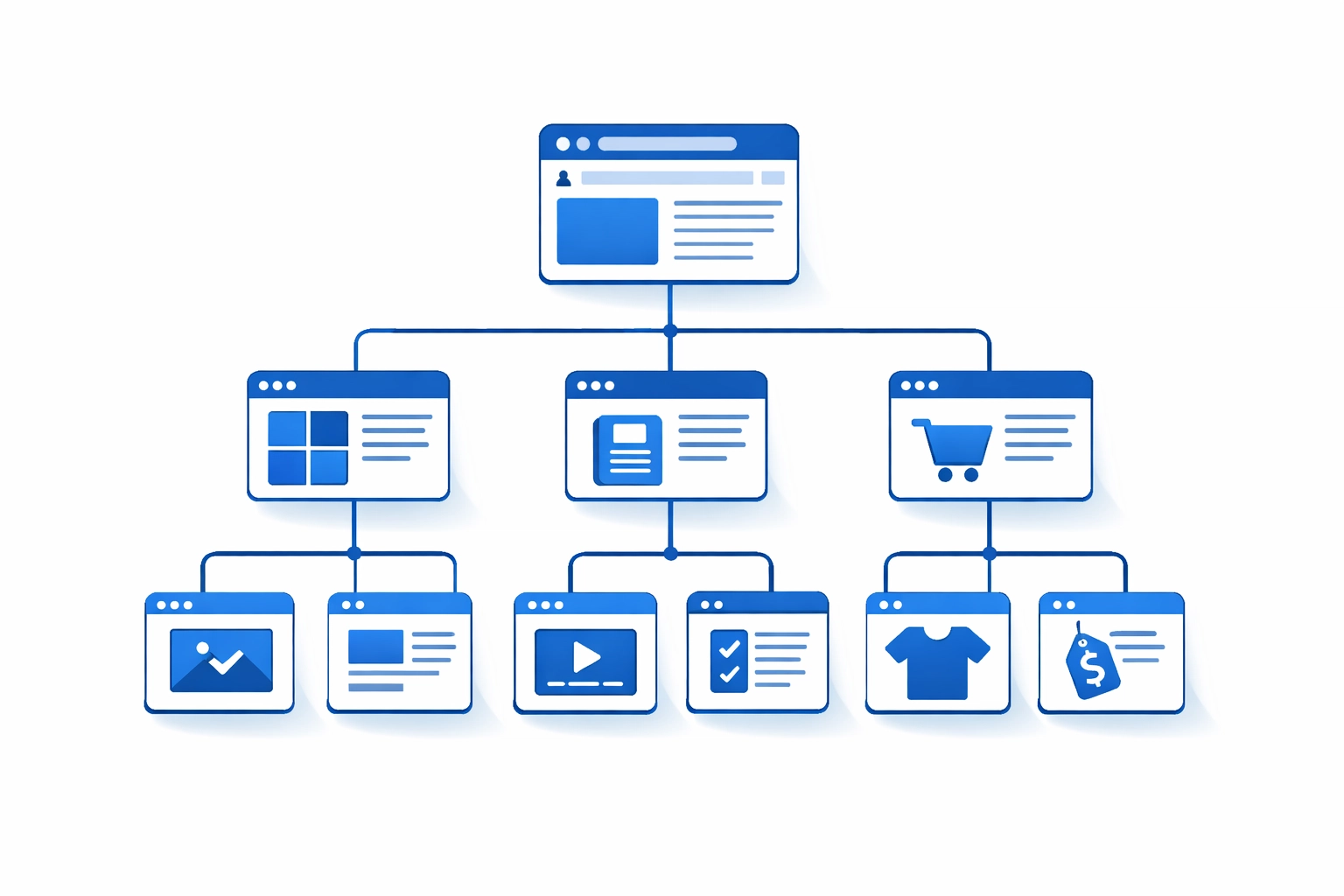
But here's why it's powerful: when you link related articles or pages together, you're sending signals to Google that you have comprehensive, authoritative content on a specific topic. Google's crawlers follow those links, mapping out your site's structure and understanding what you're an expert in.
Think of your website like a library. If all your books are scattered randomly with no organization system, it's hard for anyone to find what they need. But when you group related books together and add clear signs pointing between sections, suddenly everything makes sense. That's what internal linking does for search engines.

The Anchor Text Secret
Now here's where most people mess up internal linking. They use vague phrases like "click here" or "read this article" as their link text. Big mistake.
The anchor text: that's the clickable words in your link: should include the primary keyword of the page you're linking to. This gives search engines crystal-clear information about what the linked content covers.
For example, instead of writing "We have a great article about this topic," you'd write "Our guide to search engine optimization breaks down these strategies in detail."
See the difference? The second version tells both users and search engines exactly what they'll find when they click. It builds topical relevance and shows Google that you have multiple pieces of content covering different angles of the same subject.
How to Start Internal Linking Today
You don't need to overhaul your entire website. Start small and strategic:
Step 1: Identify your most important pages. These are usually your service pages, product pages, or high-converting content. These are the pages you want ranking in search results.
Step 2: Find related content. Look through your existing blog posts, resources, or other pages that naturally relate to those priority pages. You probably have more connections than you realize.
Step 3: Add relevant links. Go into those related pages and add 2-3 internal links using keyword-rich anchor text. Point them toward your priority pages or to other supporting content that builds the topic cluster.
Step 4: Make it natural. Don't force links where they don't belong. The link should add value for the reader and make sense in context. If it feels awkward or salesy, skip it.
The beauty of this approach is that you're leveraging content you've already created. No new articles required, no waiting weeks for results. You're just reorganizing what's already there to work harder for you.

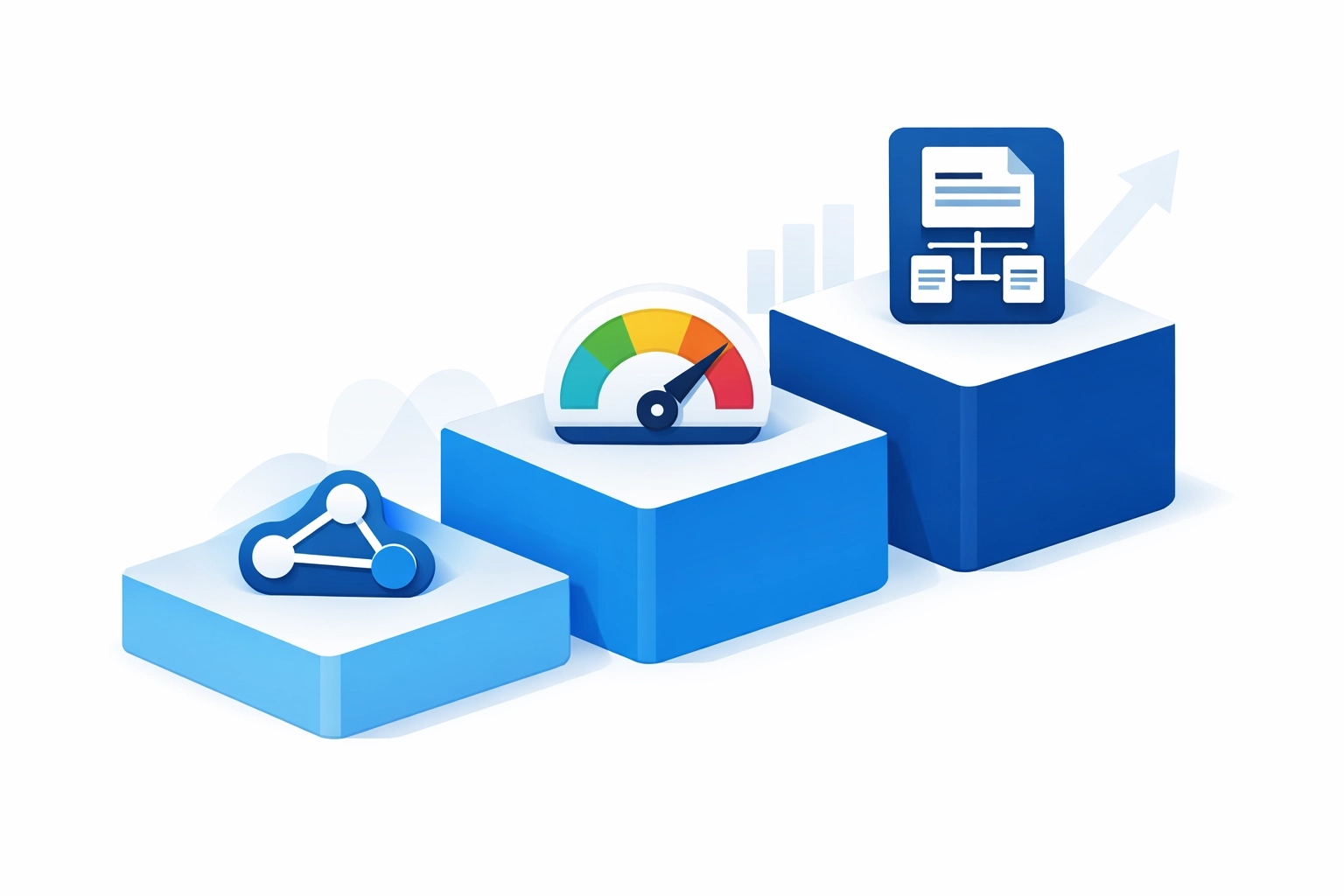
Two More Quick Wins While You're At It
Since you're already making changes to your site, let's stack a couple more easy wins that'll boost your rankings:
Optimize Your Page Speed
Slow websites kill rankings. If your pages take forever to load, visitors bounce before they even see your content. Google knows this and penalizes slow sites in search results.
The fastest fix? Compress your images. Seriously, oversized image files are the #1 culprit behind sluggish websites.
Use Google Lighthouse (it's free and built into Chrome) to identify which images are dragging you down. Then compress them using built-in tools in your content management system or free online services. You're looking to reduce file sizes without sacrificing noticeable quality.
A professional web design team can help optimize your entire site's performance, but image compression is something you can tackle yourself this afternoon.
Structure Your Content with Proper Headings
This one's so simple it feels silly, but most businesses get it wrong. Your content needs a clear hierarchy using H1, H2, and H3 tags.
Your main page title should be an H1 (and you should only have one H1 per page). Your major sections should be H2s. Subsections under those should be H3s. Think of it like an outline from high school English class.
But here's the SEO trick: include secondary keywords in those subheadings. If your main topic is "email marketing," your H2s might cover "email marketing automation," "email marketing best practices," and "email marketing metrics."
This structure helps Google understand your page covers multiple angles of a topic. It signals depth and authority, which are ranking factors. Plus, it makes your content easier to read for actual humans, which reduces bounce rates: another ranking factor.
Why This Works Better Than Other SEO Tactics
You've probably seen a million SEO tips floating around. Build backlinks. Write longer content. Optimize meta descriptions. Improve your domain authority. All valid advice, but here's why internal linking beats them for immediate results:
It's entirely in your control. You don't need to wait for other websites to link to you. You don't need to rely on anyone else. You can implement changes right now.
It leverages existing assets. You're not starting from scratch or creating more content. You're maximizing the value of work you've already done.
It's free. No tools, no agencies, no ad spend. Just your time and attention.
It compounds over time. Every internal link you add strengthens your site's overall structure. The benefits build on each other rather than requiring constant maintenance.
Compare that to paid ads, which stop working the moment you stop paying. Or backlink building, which requires ongoing outreach and relationship management. Internal linking is a one-time effort that keeps delivering.
Common Mistakes to Avoid
Before you go link-crazy, watch out for these traps:
Don't overdo it. Stuffing 20 internal links into a 500-word article looks spammy to both users and search engines. Aim for 2-5 relevant links per page, depending on length.
Don't only link to your homepage. Spread the link equity around. Your service pages and valuable content need that boost too.
Don't use the same anchor text repeatedly. Vary your phrasing while keeping it keyword-relevant. "SEO services," "search engine optimization help," and "improve your rankings" can all point to the same page without sounding robotic.
Don't forget to update old content. Your newest blog post is the perfect opportunity to link back to older related articles, but don't forget to go back and add links from those old posts to your new one. Make it a two-way street.
When You Need More Than DIY
Look, internal linking is powerful, but it's not the only piece of the SEO puzzle. If you've implemented these tactics and you're still not seeing the results you want, it might be time to bring in professionals.
A comprehensive SEO strategy includes technical site audits, keyword research, content optimization, backlink analysis, and ongoing performance tracking. Sometimes you need that full-service approach to compete in crowded markets.
We've also written about the 7 common SEO mistakes businesses make that tank their rankings. If you're doing any of those, fixing them should be your next priority after internal linking.
Your Action Plan for Today
Here's what you're going to do right now:
- Pick three important pages on your website that you want to rank higher
- Find five existing blog posts or pages that relate to those priority pages
- Add 2-3 keyword-rich internal links in each of those five pages
- Run Google Lighthouse on your homepage and compress any oversized images
- Check that your main pages use proper H2 and H3 heading structure
That's it. Thirty minutes of work that'll start moving the needle on your search rankings.
SEO doesn't have to be overwhelming or expensive. Start with the fundamentals that you control, implement them correctly, and build from there.
Need help figuring out where to start or want a professional audit of your site's SEO health? Get in touch with our team and we'll show you exactly where the opportunities are hiding.