
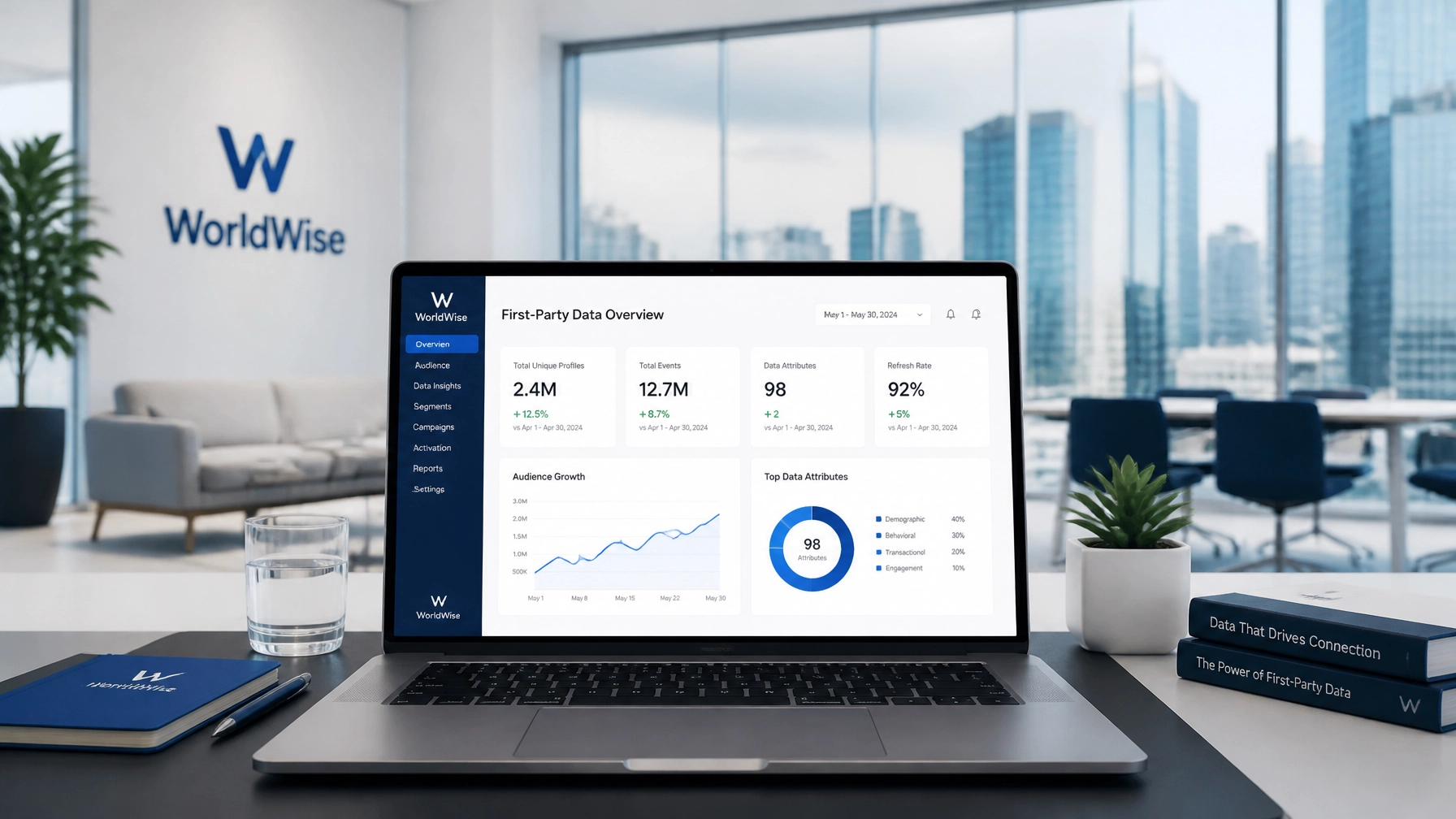

Third-party cookies are disappearing and privacy regulations are getting tighter. This makes your own data the most valuable asset you have for digital marketing. Collecting this information without frustrating your website visitors is a delicate balance. If you ask for too much too soon you drive people away. If you don't ask at all you lose the chance to build a relationship.
We see many businesses struggle with high bounce rates because their data collection methods feel like a barrier. You want to learn about your audience to improve your SEO marketing and sales but you have to respect their time and privacy.
The goal is to gather first-party data in a way that feels like a natural part of the user experience. Here is how you can do it without being an annoyance.
Start with a Clear Value Exchange
People are usually happy to share their information if they get something real in return. The "value exchange" is the foundation of respectful data collection. If you just ask for an email address for "updates" you likely won't get much. If you offer a tool or a discount you change the dynamic.
Think about what your customers actually need. High-value lead magnets work well for both B2B and B2C brands. You can offer guides, ROI calculators, or exclusive access to new products.
- Loyalty programs with real benefits
- Interactive tools like quizzes or calculators
- Early access to limited sales
- Personalized content recommendations
When you make the benefit explicit customers feel like they are making a fair trade. They are not giving data away; they are buying access to something useful. This shift in perspective is key for conversion rate optimization because it lowers the mental barrier to entry.

Use Progressive Profiling
One of the biggest mistakes in digital marketing is using long forms. No one wants to fill out ten fields just to download a checklist. Progressive profiling allows you to collect data over time across multiple interactions.
On the first visit you might only ask for an email. On the second visit you ask for their job title or a specific interest. By the third interaction you might ask about their budget or timeline. This approach keeps your forms short and manageable.
It also builds trust. You are proving that you only ask for what you need at that specific moment. This strategy keeps your bounce rates low and ensures your conversion rate optimization efforts stay on track.
Make the Request Contextual
Timing is everything. If a pop-up appears the second a page loads it is an interruption. If it appears after a user has read half of a long blog post it is an invitation.
You should request data when it is most relevant to the user's current action. For example you can ask for a shipping address during checkout instead of during account creation. You can ask for product preferences right after someone has spent five minutes browsing a specific category.
- Wait for scroll depth before showing a newsletter opt-in
- Use exit-intent triggers for special offers
- Link data requests to specific product interactions
When the request makes sense in the context of their journey it feels helpful rather than intrusive. This relevance is a core part of effective SEO marketing because it signals that you understand your audience's intent.

Prioritize Transparency and Control
Privacy concerns are a major reason why people hesitate to share data. You can reduce this friction by being completely transparent about what you are collecting and why.
Don't bury your privacy policy in a tiny link at the bottom of the page. Tell the user right next to the form field exactly what they get. "We need your email to send you the guide" is better than "Sign up for marketing."
Giving users a preference center is another great way to build trust. Let them choose how often they hear from you and what topics they care about. When users feel in control they are less likely to click "unsubscribe" or mark your emails as spam.
Deliver Immediate Visible Benefits
The fastest way to annoy a customer is to collect their data and then send them generic content. If a user tells you they are interested in "cybersecurity" but you keep sending them "SEO marketing" tips you have failed the value exchange.
You should use the data you collect to immediately improve the user experience. If a visitor takes a quiz to find their "style profile" their next visit to your site should reflect those preferences.
- Personalize the homepage layout based on their interests
- Send a tailored onboarding email sequence
- Display relevant product recommendations on every page
When customers see that sharing data actually makes their life easier they are more likely to stay engaged with your brand.

Audit Your Current Touchpoints
Before you start adding new data collection tools you should look at what you already have. Many businesses collect "zombie data" : information they ask for but never actually use.
Go through every form on your website and ask if each field is necessary. If you aren't using a person's phone number to call them then don't ask for it. Reducing friction is a simple way to boost your conversion rate optimization.
We recommend reviewing your data points every few months. This keeps your strategy lean and ensures you are only asking for the information that truly helps your business grow.
Why Quality Web Design Matters
The way your forms look and feel is just as important as what they ask. A clunky or outdated form looks suspicious and unprofessional. High-quality responsive web design ensures that your data collection works perfectly on every device.
If a form is hard to fill out on a smartphone you will lose a huge portion of your audience. At WorldWise we focus on creating clean interfaces that make user interaction seamless. Professional design builds the credibility you need to ask for personal information.

Final Thoughts on First-Party Data
Collecting first-party data is a long-term strategy. It's about building a foundation of trust that allows you to deliver better results through digital marketing and SEO marketing.
If you treat your customers' data with respect they will reward you with their loyalty. Focus on clear value exchange, progressive profiling, and transparent communication.
We suggest starting with one or two of these strategies today. If you need help integrating these tools into your existing site we can guide you through the process.