
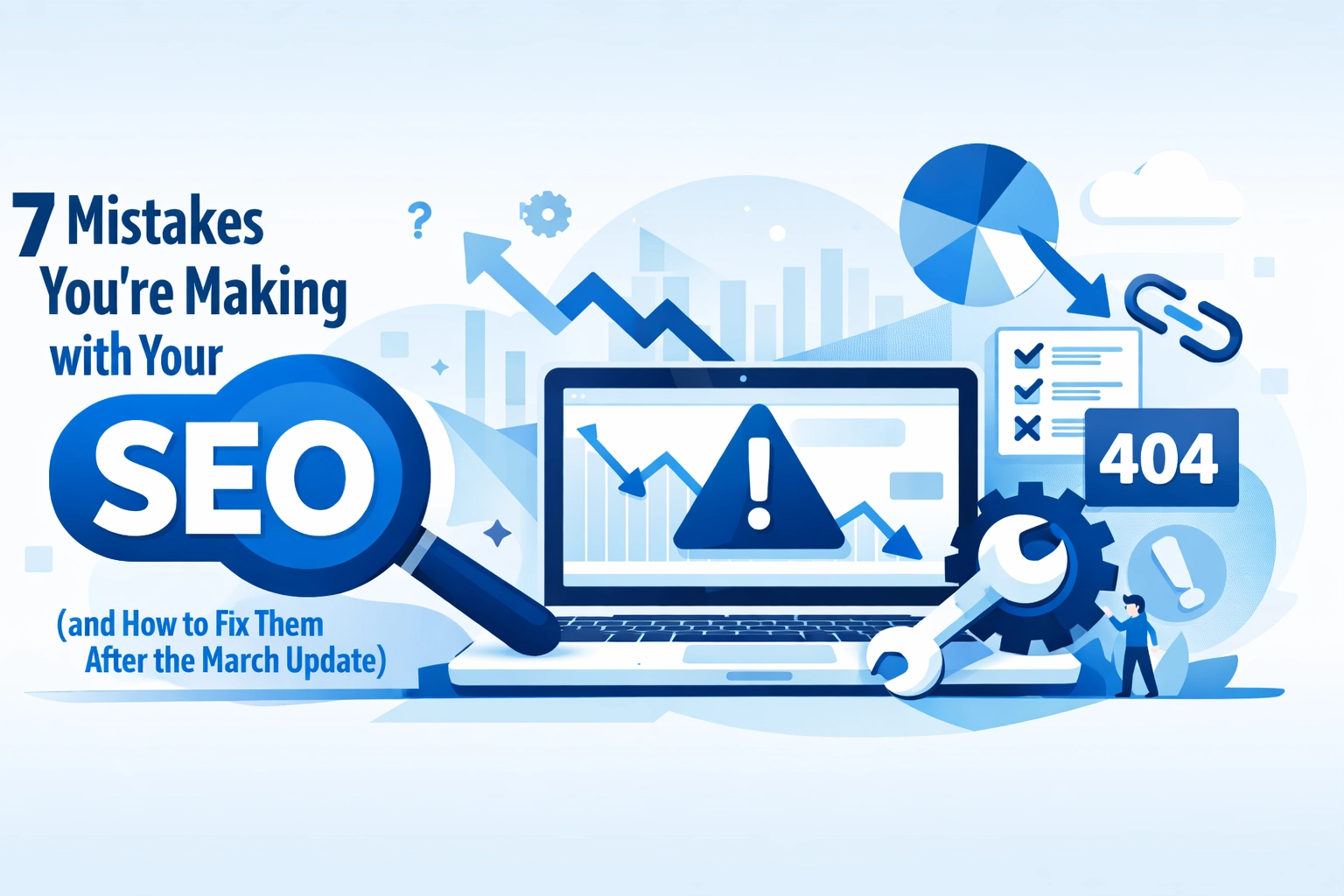

The March 2026 core update just finished rolling out and the results are clear. Many businesses saw their rankings shift overnight. If you saw a drop in traffic you are likely making one of the common mistakes that Google is now penalizing more heavily than ever. At WorldWise we help businesses navigate these changes by focusing on quality and user experience over old-school tricks
SEO is not a "set it and forget it" task. It requires constant adjustment to match how search engines understand content. The latest update focuses heavily on helpfulness and authenticity. If your site feels like it was built for a bot rather than a human you will struggle to rank. Here are the seven biggest mistakes we found during our latest audits and exactly how you can fix them
1. Targeting the Wrong Keywords
Many business owners target keywords that are either too competitive or completely irrelevant to their actual services. You might want to rank for a massive high-volume term but if that term doesn't lead to a conversion it is a waste of time. For example if you sell high-end custom software ranking for "free apps" won't help your bottom line
The March update prioritizes topical authority. This means you should focus on keywords where you can actually provide the best answer on the internet. Instead of broad terms focus on long-tail keywords that show clear intent. Research what your audience is actually searching for and the phrases they use when they are ready to buy

How to Fix It:
Stop guessing what people type into the search bar. Use tools to find keywords with reasonable competition where you have a meaningful chance of ranking. Focus on "niche" phrases that describe your specific solution. We suggest reviewing your current list and removing any terms that have high bounce rates. If people find your page and leave immediately the keyword is wrong for that content. You can learn more about building a better approach on our strategy page
2. Ignoring Search Intent
This is perhaps the biggest reason sites lost rankings in the March 2026 update. Search intent is the "why" behind a search. Is the user looking to buy something or are they just looking for information? If your page targets a keyword but doesn't provide the type of content the user expects Google will demote it
There are four main types of intent: informational, navigational, commercial, and transactional. If someone searches for "how to fix a leaky faucet" they want a guide not a product page for a wrench. If you try to force a sales page into an informational search query your rankings will suffer
How to Fix It:
Look at the current top results for your target keywords. Are they blog posts? Are they product listings? Align your content with what users are searching for. If the top results are all "how-to" guides you need to write a guide. If you need help aligning your content with user needs our digital marketing team can help you map out a content plan that actually works
3. Weak On-Page SEO
Even the best content can fail if search engines can't understand what it is about. We frequently see websites with missing title tags, generic meta descriptions, and a complete lack of heading structure. This makes it difficult for bots to crawl your site and even harder for users to click through from the search results page
On-page SEO is the foundation of your digital presence. It includes your URL structure, your image alt text, and your internal linking. If these elements are weak your site looks unprofessional to search engines. The March update rewards sites that are well-organized and easy to navigate

How to Fix It:
Optimize your metadata by including your primary keyword in the title tag and meta description. Use H1, H2, and H3 tags to create a logical hierarchy for your content. Place your main keyword strategically in the opening paragraph and in at least one heading. Don't forget to add descriptive ALT tags to your images. This helps with accessibility and image search rankings
4. Keyword Stuffing
The days of repeating your keyword 50 times on a page are long gone. In 2026 keyword stuffing is a fast track to a manual penalty. Google’s AI is now sophisticated enough to understand synonyms and context. If your writing sounds robotic or forced because you are trying to hit a certain keyword density humans won't read it and Google won't rank it
The update specifically targets "unhelpful" content that feels like it was written for search engines. Modern SEO emphasizes natural language and semantic relevance. You should write for the reader first and the search engine second
How to Fix It:
Read your content out loud. If it sounds unnatural you need to edit it. Use keywords naturally by focusing on the topic as a whole. Incorporate related phrases and variations instead of repeating the same word over and over. If you need a website that is built with modern SEO standards in mind check out our web design services
5. Duplicate Content Issues
Having identical or very similar content across multiple pages is a major red flag. It confuses search engines because they don't know which version of the page to index. This often happens with e-commerce sites or sites that use multiple URL structures for the same page (like having both a www and non-www version live)
Duplicate content dilutes your "link equity." Instead of one strong page ranking well you have three weak pages competing against each other. The March update has become much stricter about filtering out repetitive content to keep the search results clean
How to Fix It:
Ensure your site is accessible under only one URL structure. Use canonical tags to tell Google which version of a page is the "master" version. If you have old pages that are nearly identical to new ones use a 301 redirect to send users and bots to the most relevant page. If you are struggling with technical errors like this our support team can help clean up your site structure
6. Poor URL Structure and Navigation
URLs like "/p=883" or "/archives/2026/ref=99" are a missed opportunity. A good URL should tell both the user and the search engine exactly what is on the page. Furthermore if your site navigation is a mess users will get frustrated and leave. A high "bounce rate" tells Google that your site isn't providing a good experience
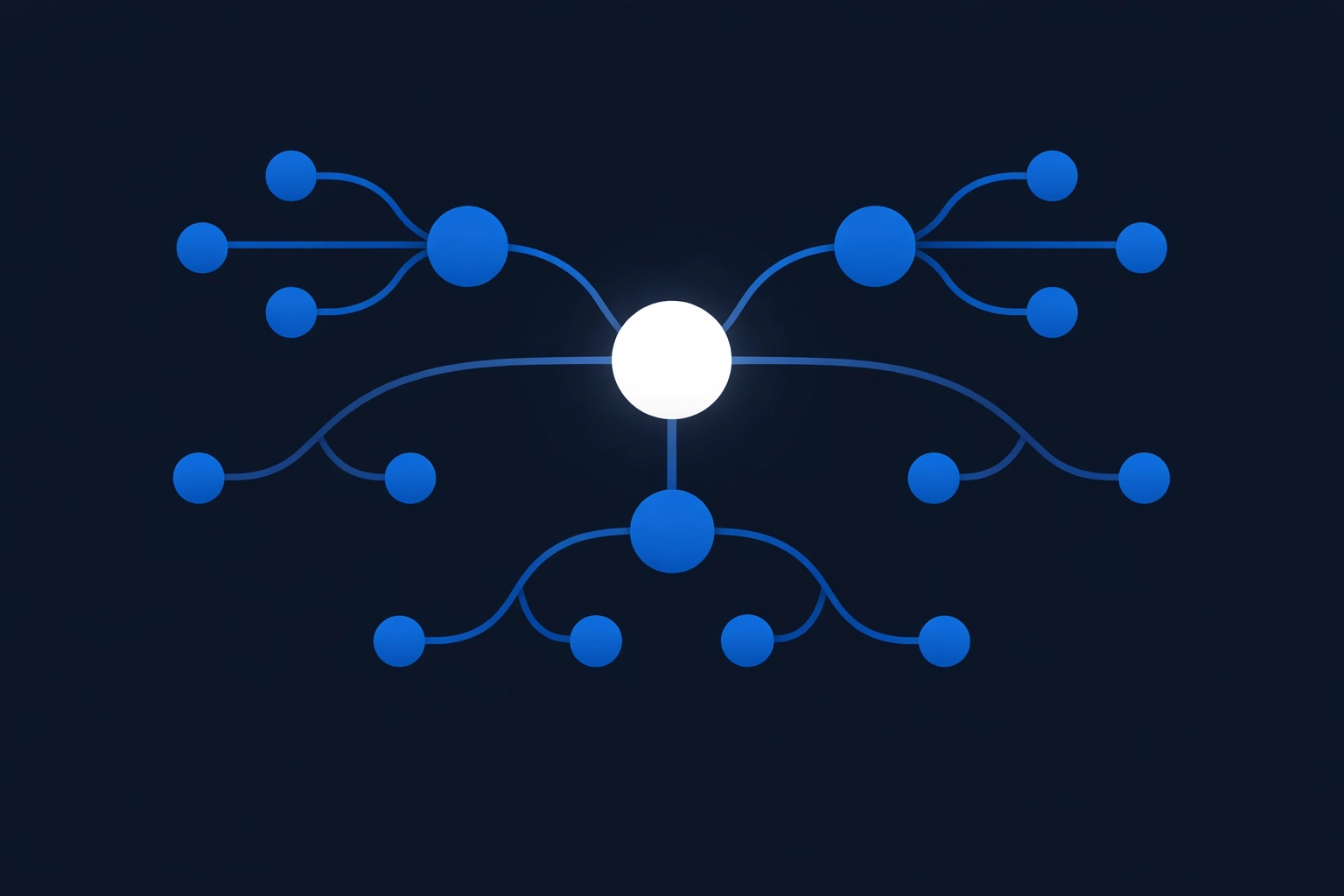
Your site hierarchy should be simple. A user should be able to find what they are looking for in three clicks or less. If your navigation is cluttered or confusing your SEO will pay the price
How to Fix It:
Create descriptive URLs that use keywords. For example use worldwise.net/seo-mistakes instead of a string of random numbers. Use categories and tags correctly to organize your blog posts. Clear navigation helps search engines crawl your site more efficiently. For a look at how a well-structured site operates you can view our portfolio
7. Neglecting Mobile Experience and Page Speed
As of 2026 over 80% of searches happen on mobile devices. If your site is slow or hard to use on a phone you are effectively invisible to the majority of your audience. The March update placed an even higher emphasis on "Core Web Vitals" which measure things like loading speed and visual stability
A site that takes more than three seconds to load will lose nearly half of its visitors. Large uncompressed images and messy code are usually the culprits. Google prioritizes mobile-first indexing which means it looks at your mobile site first to determine your rankings
How to Fix It:
Test your site on multiple mobile devices. Compress your images and use modern formats like WebP. Minimize the use of heavy scripts that slow down the initial load time. Page speed is a direct ranking factor so this should be a top priority for your technical team. If your current site is too slow it might be time for an upgrade to modern web hosting

Recovering from the March Update
SEO is constantly evolving but the core principle remains the same. Google wants to provide the best possible answer to the user's question. If you focus on fixing these seven mistakes you will build a site that is resilient to future updates
Recovering from a ranking drop takes time. You won't see results overnight. However by cleaning up your technical SEO, focusing on search intent, and improving your mobile experience you will start to see your traffic trend upward again. Consistency is key in digital marketing
If you are feeling overwhelmed by the technical requirements of modern SEO you don't have to handle it alone. We specialize in creating digital strategies that help businesses grow even when the algorithms change. Whether you need a full site audit or a new marketing plan we have the tools to help you succeed
Ready to get your rankings back on track? Contact us today to discuss your project. We can help you identify exactly where your site is falling short and create a plan to fix it. Let's make sure your business stays visible in 2026 and beyond